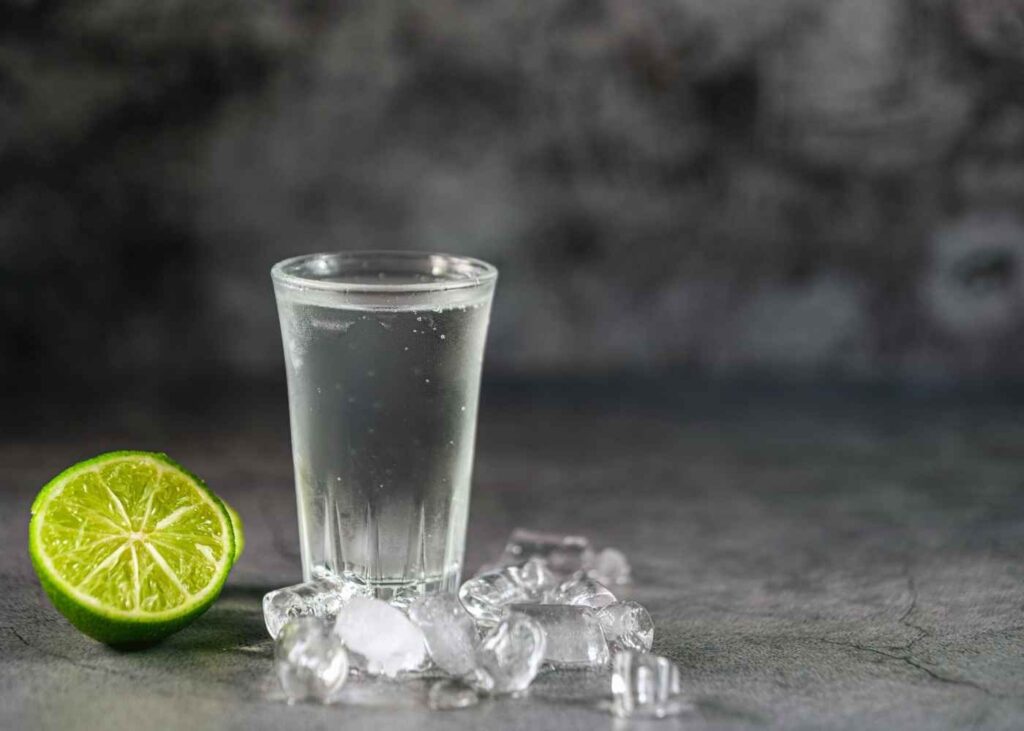
Alcohol occupies complex cultural positions as both a social lubricant, enhancing celebrations and relaxation, while simultaneously carrying health risks, addiction potential, and moral judgments that create confusion about whether moderate consumption represents reasonable adult choices or problematic behaviors requiring avoidance. This cultural ambivalence leaves many people experiencing guilt or anxiety about drinking despite consuming modest amounts within generally accepted health guidelines, torn between the enjoyment of social drinking traditions and concerns about health impacts or moral implications.
Developing healthy mindsets about alcohol consumption requires honest assessment of personal relationships with drinking, understanding of actual health research rather than extreme positions from either abstinence advocates or alcohol industry marketing, and establishment of clear personal boundaries ensuring alcohol enhances rather than diminishes life quality. Neither complete abstinence nor unconstrained consumption represents a universally correct approach, with healthy alcohol relationships varying based on individual circumstances, health conditions, family histories, and personal values.
Understanding Personal Motivations and Patterns
Healthy alcohol consumption begins with an honest evaluation of why, when, and how much you drink, distinguishing between social enjoyment, stress management, habit, or dependency driving consumption. Drinking primarily for pleasure during social occasions or with meals represents substantially different patterns than drinking alone to manage stress, alleviate boredom, or suppress uncomfortable emotions that alcohol temporarily masks.
Self-assessment involves examining whether you can comfortably abstain during extended periods, whether drinking amounts remain consistent or gradually increase over time, whether hangovers or regretted behaviors occur regularly, and whether alcohol enhances experiences or serves primarily as a coping mechanism for underlying issues deserving more constructive attention. Honest answers to these questions reveal whether guilt about drinking reflects legitimate concerns about problematic patterns or simply internalized judgments about consumption that remains moderate and controlled.
The evaluation should also consider family history since genetic factors substantially affect alcoholism risk, with individuals from families with addiction histories potentially benefiting from greater caution or complete abstinence that others without such vulnerabilities needn’t adopt as stringently.
Establishing Clear Personal Boundaries
Guilt-free alcohol consumption requires establishing and maintaining clear personal limits based on health guidelines, individual tolerance, responsibilities, and life circumstances rather than drinking reactively without predetermined boundaries. These limits might include maximum drinks per occasion, alcohol-free days per week, avoiding drinking during specific circumstances like when alone or during stressful periods, and absolute rules about never driving after any alcohol consumption.
Clear boundaries prevent the pattern where occasional overindulgence creates guilt that paradoxically triggers additional problematic drinking as a coping mechanism for negative feelings that moderate consumption wouldn’t have generated. Predetermined limits also eliminate in-the-moment decision-making when judgment becomes impaired, and additional drinks seem more appealing than they would to a sober assessment.
The boundaries should reflect realistic sustainability rather than overly restrictive rules that create feelings leading to eventual abandonment of all limits during rebellious episodes, where moderation gets replaced by excess.
Prioritizing Quality Over Quantity
Approaching alcohol as something to savor and appreciate rather than simply consume shifts focus from intoxication toward genuine enjoyment of well-crafted beverages consumed mindfully. This quality-focused approach naturally moderates consumption since truly appreciating fine wines, craft beers, or premium spirits involves slower consumption incompatible with rapid intoxication that quantity-focused drinking pursues.
Selecting quality products also means considering what goes into beverages beyond alcohol content, with health-conscious consumers increasingly seeking options minimizing additives, pesticides, and problematic ingredients. Choosing drinks like gluten free GMO free vodka demonstrates attention to consumption quality beyond simple intoxication pursuit, aligning alcohol choices with broader wellness values about ingredient quality and production methods that many people apply to food but sometimes neglect regarding alcoholic beverages.
Separating Social Pressure From Personal Choice
Much drinking occurs through social pressure rather than genuine personal desire, with people consuming alcohol primarily because situations expect it rather than actually wanting drinks. Developing confidence, declining alcohol when genuinely not desired, eliminates consumption driven purely by social conformity, reducing overall intake while ensuring drinking that does occur reflects authentic choice rather than obligation.
This social boundary-setting requires recognizing that most social pressure is imagined rather than real, with others typically caring far less about whether someone drinks than anxious non-drinkers assume. Having prepared responses for declining drinks eliminates awkward moments that might otherwise push toward unwanted consumption.
Integrating Alcohol Into Balanced Lifestyles
Healthy alcohol relationships exist within broader balanced lifestyles, including regular exercise, nutritious eating, adequate sleep, stress management, meaningful relationships, and purpose-driven activities that collectively support wellbeing. Alcohol consumption that doesn’t interfere with these wellness foundations and that enhances rather than substitutes for genuine social connection, relaxation, or pleasure represents integration rather than problematic dependence.
Guilt-free alcohol consumption emerges from honest self-assessment, clear personal boundaries, quality focus, social confidence, and lifestyle integration, ensuring drinking enhances rather than diminishes overall life quality and wellbeing.


